Would you like to switch to the accessible version of this site?

Go to accessible site Close modal window

Don't need the accessible version of this site?

Hide the accessibility button Close modal window
Accessibility View Close toolbar
Palatine Animal Hospital

496 W. Northwest Highway

Palatine, IL 60067 US

847-359-1688

Open mobile navigation
  • Home
  • New Patient Center
    • Online Forms
    • What to Expect
    • Veterinary Resources
    • Payment Options
  • About Us
    • Services
      • Boarding
      • Emergency Services
    • Meet Our Veterinarians
  • Contact Us
  • Veterinary Topics
    • Pet Health
      • Chronic Conditions
      • Digestive and Oral Health
      • Diseases and Viruses
      • Pests and Parasites
      • Orthopedics
    • Today's Veterinarian
    • Choosing Your Pet
      • Finding Your Pet
      • Cats
      • Dogs
      • Exotics
        • Amphibians
        • Birds
        • Reptiles
          • Lizards
          • Turtles
      • Small Mammals
        • Ferrets
        • Rabbits
        • Domesticated Animals
          • Prairie Dogs
        • Pocket Pets
          • Chinchillas
          • Guinea Pigs
          • Hamsters
          • Hedgehogs
          • Rats
      • Livestock
        • Cows
        • Donkeys, Horses & Mules
        • Goats
        • Pigs
        • Poultry
        • Sheep
    • Living With Your Pet
      • Bringing Your Pet Home
      • Children and Pets
      • Providing Care
      • Travel
      • Saying Goodbye
    • Newsletter Library
      • Cats
      • Tips for Pet Owners
      • Behavior & Training
      • Fleas & Parasites
      • Keeping Pets Healthy
      • Recognizing Illness
      • Nutrition & Food
      • Pet Dangers
      • Seasonal Topics
      • Visiting the Vet
      • Equine
      • Newsletter Archive
        • Fun with Pets
        • Unbelievable Pets
    • Video Newsroom
      • Health Topics
      • Technology and Science
      • Other Interests
    • Newsletter Library
    • Client Survey
    • Pets4Kids
  • VETSOURCE PHARMACY
  • Home >
  • Articles >
  • Newsletter Library >
  • Fleas & Parasites >
  • Keeping Your Pets Safe During Flea and Tick Season

Keeping Your Pets Safe During Flea and Tick Season

  • Created in Newsletter Library, Fleas & Parasites
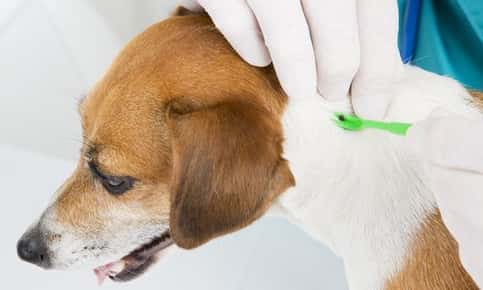
Dog having a tick removed in a vet office

How to Keep Your Pets Safe from Lyme Disease and Other Illnesses During Flea and Tick Season

Warmer weather brings the return of fleas and ticks throughout the entire U.S. Fortunately, keeping your pet safe from these tiny but troublesome pests can be as easy as taking a few simple precautions.

Ticks Can Cause Long-Lasting Health Problems

Ticks are opportunists. They'll jump on the first warm body that passes by, whether that's you or your dog. The pests latch on to the skin and feed on your pet's blood. If they remain attached to the skin long enough, they'll also release the Borrelia burgdorferi bacteria into your pet's body. Transmission of the bacteria can occur in as little as 24 hours.

The bacteria causes Lyme disease, an illness responsible for joint inflammation, pain, swelling, stiffness, fever, lethargy, loss of appetite, and other symptoms. Depending on how quickly treatment begins, dogs may develop chronic health problems as a result of a Lyme disease infection. Cats can also develop Lyme disease, although infections have only occurred in cats in laboratory settings so far, according to Cornell Feline Health Center.

Ticks can also transmit other diseases to animals, including Rocky Mountain spotted fever, tick paralysis, ehrlichiosis, anaplasmosis, and bartonellosis. These diseases can cause a variety of symptoms, ranging from swollen lymph nodes to anemia and even death. Symptoms of tick-borne illnesses may not appear until several months after your pet has been infected.

If you examine your pet after a trip outside, you may see or feel ticks. Ticks like to burrow in out-of-the-way areas, such as between the toes, under the collar or at the base of the tail.

Do You Know How to Spot Signs of Flea Infestations?

Although flea bites usually aren't quite as serious as tick-borne illnesses, they can make your pet very uncomfortable. Since fleas reproduce fairly quickly, the entire family may soon start scratching. Fleas can also affect pet rabbits, guinea pigs, and other small animals.

Pets that have flea infestations may compulsively scratch, bite, or lick their skin, causing bald or raw spots. You may also notice flea "dirt," small black specks in your pet's fur. If an infestation is severe, or your pet is allergic to fleas, anemia can occur. Pets that are anemic may develop pale lips or gums, weakness, fatigue, and loss of appetite.

How You Can Protect Your Pet

Flea and tick preventive medications offer an easy way to safeguard your pet's health. The treatments kill adult ticks and fleas and also prevent larvae and eggs from maturing.

They're available in spot treatments, collars, sprays, shampoos, and other products. Before you use a preventive medication for the first time, check with your pet's veterinarian to make sure it's safe for your furry friend.

In addition to using preventive treatments, it's also important to:

  • Keep Fleas and Ticks Out of Your Yard. Applying flea and tick spray monthly to grasses, shrubs and plants kill the pests before they can attack your pets. Wait for the sprays to dry completely before you let your pet walk through your yard.
  • Remove Brush and Keep Grass Cut. Brush and debris create perfect habitats for many types of insects and pests. Removing it promptly can help you keep your pets and your family healthy. Fleas and ticks love long grass but keeping your lawn cut too short can be a problem too. If your grass is shorter than two inches, the spiders that prey on fleas will find new places to live.
  • Fence Your Yard. You may treat your pets for fleas, but do your neighbors? Visiting cats and dogs can leave behind fleas even if they're only in your yard briefly. Fencing your yard also keeps wild animals infested with fleas out of your yard.
  • Remove Ticks Promptly. The sooner you remove a tick, the less likely your pet will develop Lyme disease or another tick-borne illness. Grasp the tick's head with tweezers and pull it straight out of your pet's body. Take care to avoid crushing or twisting it. Once you've removed the tick, place it in a jar filled with alcohol.

Are you worried that your pet may have fleas or a tick-borne illness? Your veterinarian can help protect your pet.

Sources:

Cornell Feline Health Center: Lyme Disease

American Kennel Club: 4 Tips to Help Keep Your Dog Safe from Fleas and Ticks, 3/15/16

U.S. Environmental Protection Agency: Controlling Fleas and Ticks on Your Pets

ASPCA: Fleas and Ticks

Scotts: How to Treat Fleas in the Yard

PetMD: Tick-Borne Diseases and Your Pet

  • Pet Health
    • Chronic Conditions
    • Digestive and Oral Health
    • Diseases and Viruses
    • Pests and Parasites
    • Orthopedics
  • Today's Veterinarian
  • Choosing Your Pet
    • Finding Your Pet
    • Cats
    • Dogs
    • Exotics
      • Amphibians
      • Birds
      • Reptiles
        • Lizards
        • Turtles
    • Small Mammals
      • Ferrets
      • Rabbits
      • Domesticated Animals
        • Prairie Dogs
      • Pocket Pets
        • Chinchillas
        • Guinea Pigs
        • Hamsters
        • Hedgehogs
        • Rats
    • Livestock
      • Cows
      • Donkeys, Horses & Mules
      • Goats
      • Pigs
      • Poultry
      • Sheep
  • Living With Your Pet
    • Bringing Your Pet Home
    • Children and Pets
    • Providing Care
    • Travel
    • Saying Goodbye
  • Newsletter Library
    • Cats
    • Tips for Pet Owners
    • Behavior & Training
    • Fleas & Parasites
    • Keeping Pets Healthy
    • Recognizing Illness
    • Nutrition & Food
    • Pet Dangers
    • Seasonal Topics
    • Visiting the Vet
    • Equine
    • Newsletter Archive
      • Fun with Pets
      • Unbelievable Pets
  • Video Newsroom
    • Health Topics
    • Technology and Science
    • Other Interests
  • Newsletter Library
  • Client Survey
  • Pets4Kids

New clients receive $25 OFF wellness exam. (Only one per new client)

Sign-up using the form or call us at 847-359-1688 to take advantage of this exclusive offer.

Error!

    CHECK OUT OUR ONLINE PHARMACY

    • Online Pharmacy

      Shop now on our online pharmacy for easy convenience! 

      Shop Now
    • Services

      We strive to provide complete care for our patients. Learn more about all the services we provide.
      Learn More
    • Make An Appointment

      We will do our best to accommodate your busy schedule. Schedule an appointment today!
      Schedule Now
    • Online Forms

      Our patient forms are available online so they can be completed in the convenience of your own home or office.
      View Forms

    Office Hours

    Monday:

    7:30 am

    7:00 pm

    Tuesday:

    7:30 am

    6:00 pm

    Wednesday:

    7:30 am

    5:00 pm

    Thursday:

    7:30 am

    6:00 pm

    Friday:

    7:30 am

    6:00 pm

    Saturday:

    7:30 am

    1:00 pm

    Sunday:

    Closed

    Closed

    Location

    Find us on the map

    Testimonials

    Read What Our Clients Say

    • "I really like the staff, very caring and informed! My questions always answered in a timely manner. I have taken three of our pets through the years there and everything I just mentioned above has been consistent through the years,. I highly recommend Palatine Animal Hospital."

    Featured Articles

    Read about interesting topics

      March Newsletter: How to Keep Your Cat Safe When Outdoors

      Wondering how your cat can safely spend time outdoors? ...

      Read More

      March Newsletter: How to Choose Safe Blankets for Pets

      Do you know how to pick a safe blanket for your pet? ...

      Read More

      February Newsletter: How to Reduce Dental Anxiety in Pets

      Does your pet hate toothbrushing? These tips could reduce dental anxiety. ...

      Read More

      February Newsletter: How to Safely Change Your Cat’s Food

      Buying a new food for your cat? Find out how to switch foods safely. ...

      Read More

      January Newsletter: Signs Your Pet Needs a Wellness Exam

      Does your pet need a wellness exam? ...

      Read More

      January Newsletter: How Your Veterinarian Can Help If Your Pet Ingests Something Toxic

      Has your pet eaten something it shouldn't have? Find out how your vet can help. ...

      Read More

      December Newsletter: Signs Your Pet Needs a Professional Cleaning

      Do you know when your pet needs a professional cleaning? ...

      Read More

      December Newsletter: Simple Ways to Keep Your Home Flea-Free for Your Pet’s Well-being

      Never want to see another flea again? Try these tips for a flea-free home. ...

      Read More

      November Newsletter: The Importance of Bloodwork for Your Pet’s Health

      Wondering if your pet really needs bloodwork? Find out the benefits of blood tests for your furry friend. ...

      Read More

      November Newsletter: Turkey Day Tips for Pet Owners

      Don't forget about your pet when making Turkey Day preparations. ...

      Read More

    Newsletter Signup

    Sign up for more articles

    Error!

      Connect With Us

      • Copyright © 2026 MH Sub I, LLC dba iMatrix.
      • Admin Log In
      • Site Map